Unique South Limburg
Our tailor-made themed tours through South Limburg
A visit to South Limburg offers the visitor a unique opportunity to delve into a small part of Europe where a great deal of history was made. Starting with the Bandkeramik culture (c. 5500–4400 BC), simple farmers who were already familiar with the area and settled their farms there. Pay a visit to one of Europe's most important UNESCO World Heritage sites—the world-famous Aachen Cathedral. The cradle of the turbulent history of Charlemagne.
The Roman Empire has also left deep traces in the history of South Limburg. Follow in the footsteps of the Romans and visit the Via Belgica and the associated museums. For instance, the well-known tri-border point—the Netherlands, Belgium, and Germany—was the forerunner during the Industrial Revolution. Here, around 1790, the British pioneer John Cockerill brought the first prosperity to the area. In cities such as Liège, Verviers, and Maastricht, this prosperity, as well as its decline, is still clearly visible.
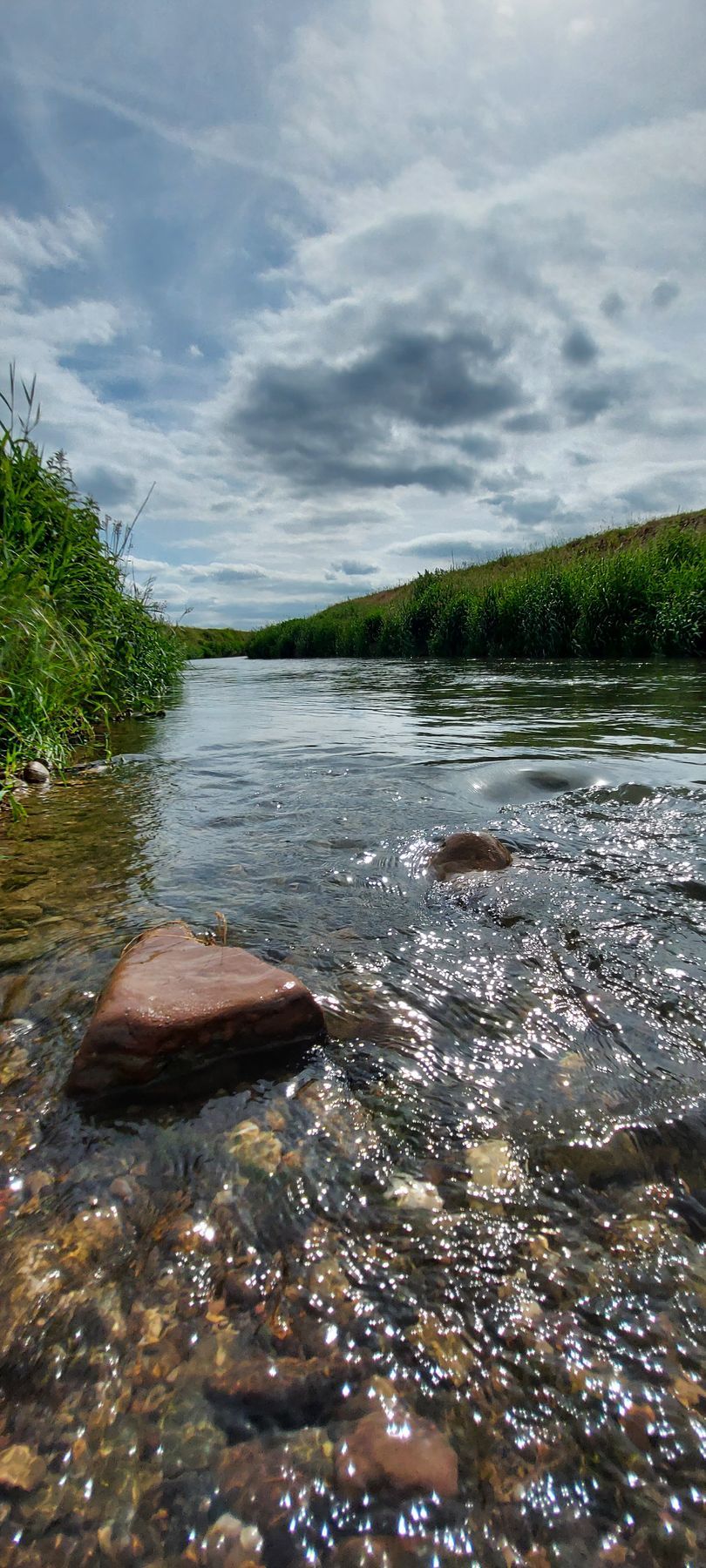
A visit to South Limburg is worthwhile if only to admire the idyllic landscape. The rare nature, marl, and coal form part of the geological subsoil, but certainly not to be forgotten are the Limburg people themselves. Their rich culture, distinctive language, and Burgundian dining habits make this relatively unknown part of Europe well worth a visit.
A short, concise overview of what there is to experience in South Limburg; there is much more to tell, but you are most welcome to come and discover it for yourself.
Culture - nature - geology - history
A day trip through South Limburg is a journey through time and through a unique landscape. I would be happy to put together the program based on your interests – after all, there is much to discover:
This is just a selection:
- The marl caves – excavated by people over centuries, used as a shelter during wartime, and full of traces of the past.
- Romans to the Middle Ages – from ancient Roman roads and villas to medieval castles and monasteries that still grace the landscape.
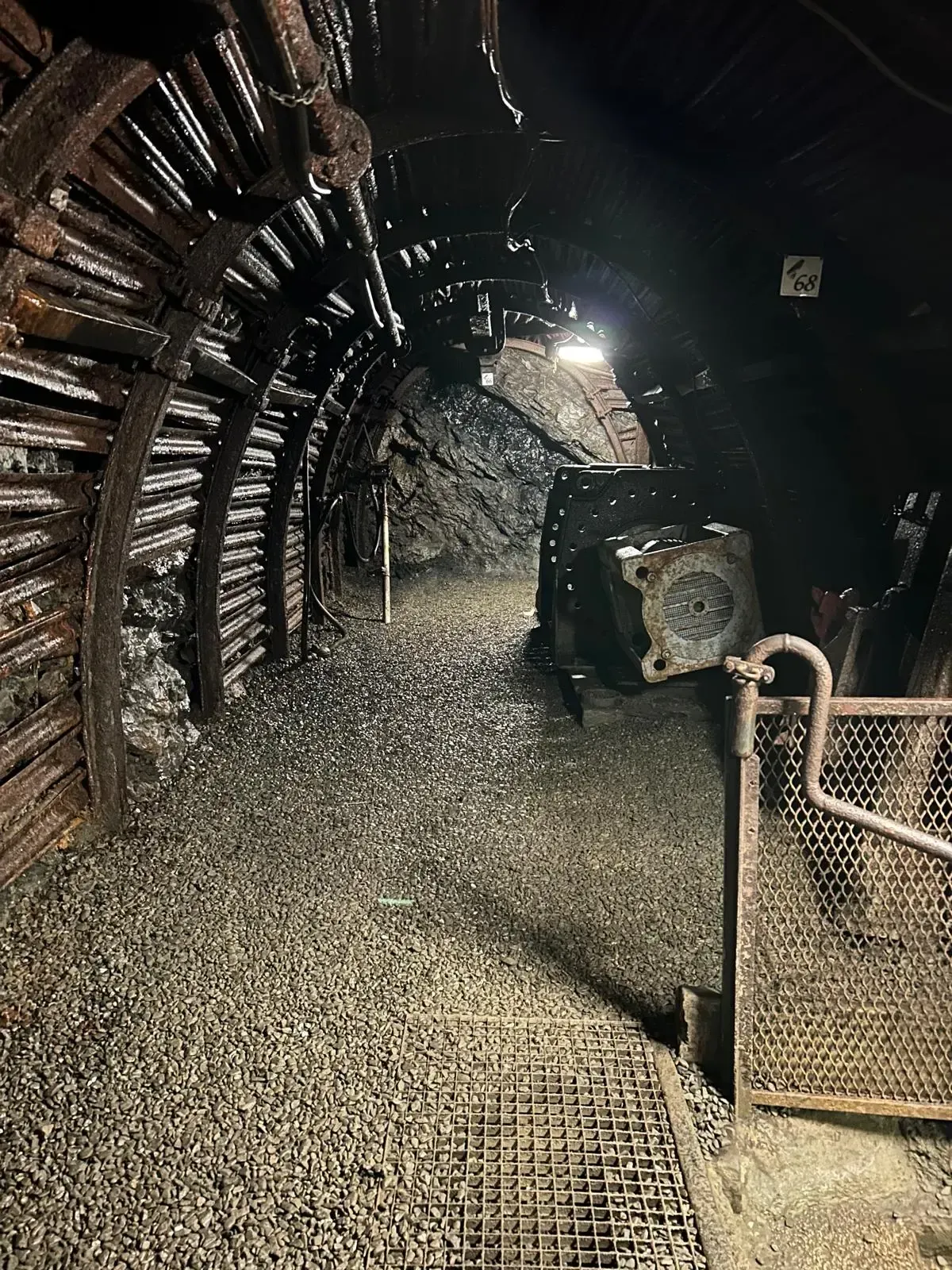
- Mining past – stories of hard labor underground and the communities formed by it.
- Margraten and WWII – the impressive American cemetery, a place of remembrance and reflection.
- The Maastricht Treaty – where European history was written and political lines lead to the present.
- Connection with Liège and Aachen – South Limburg lies at a crossroads of cultures, languages, and politics, giving the region an international atmosphere.
- Unique ecosystems and valleys – rolling hills, river valleys, and rare flora make this a special piece of nature.
- Enjoy the Burgundian lifestyle – from Limburg flan and craft beers to regional dishes that complete the day.
Every day trip is different, but always personal and full of stories that bring the landscape to life.
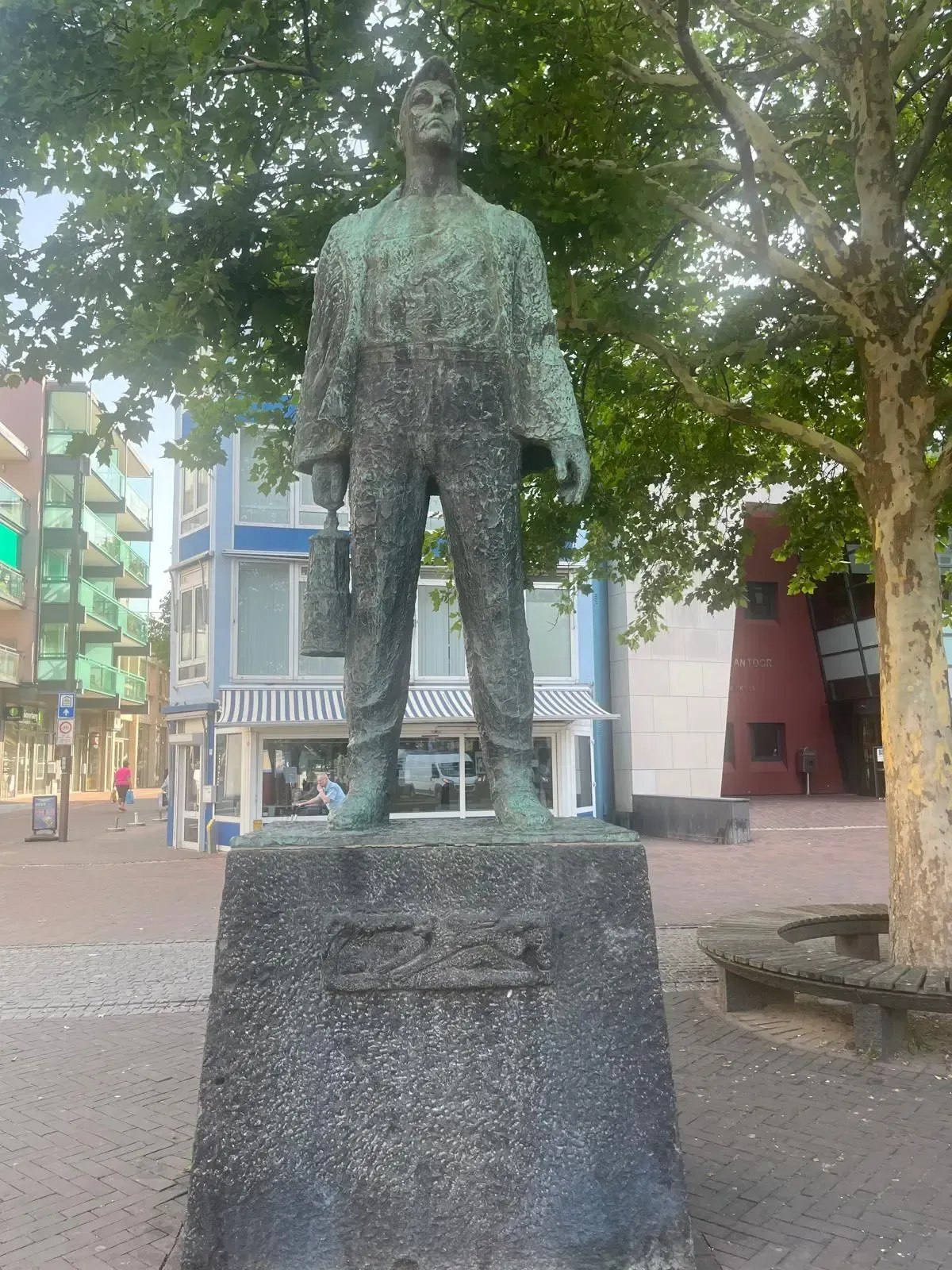
The mining past
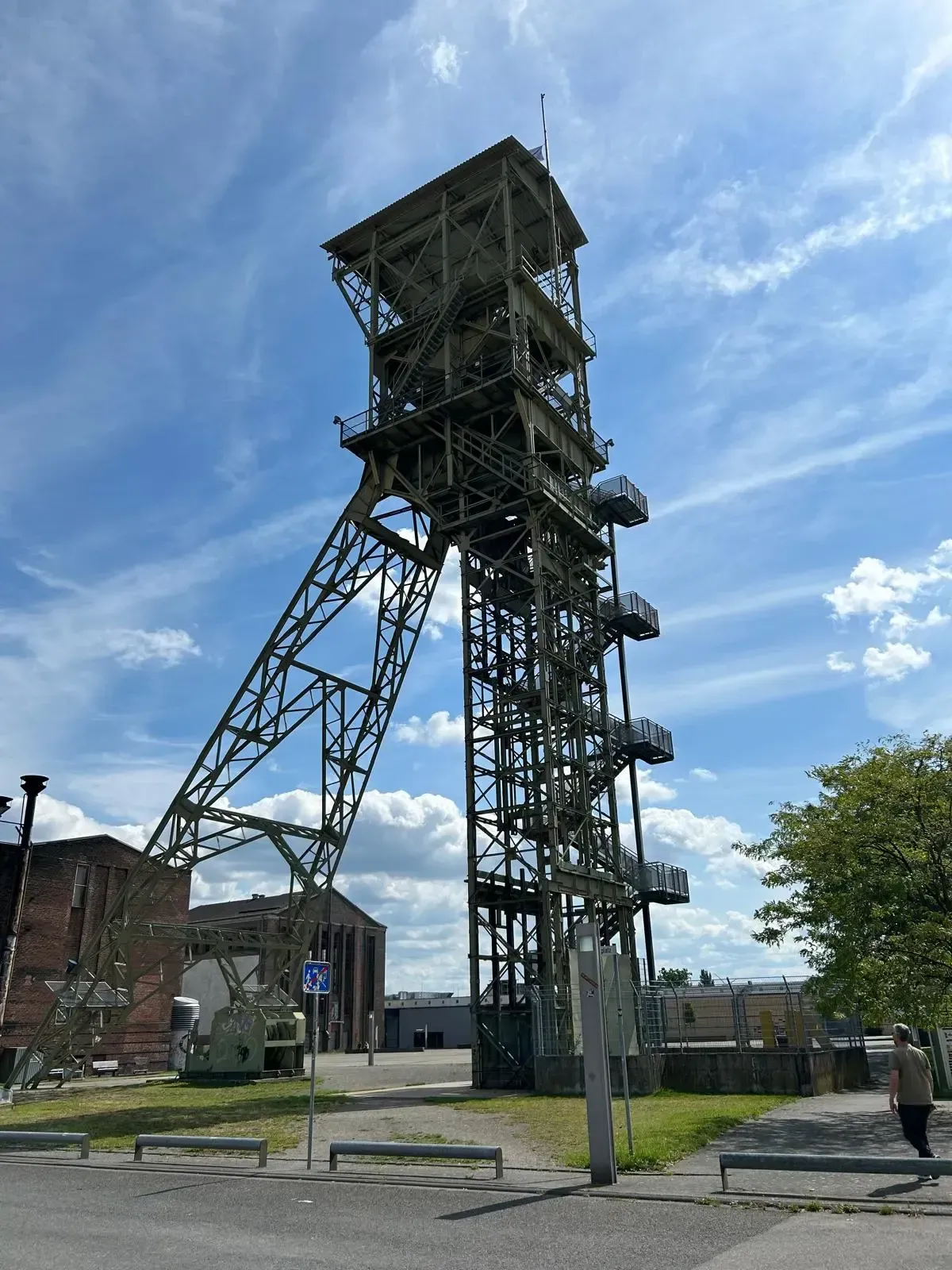
Step back in time and discover the remarkable mining history of South Limburg. During this private tour, we take you to places where thousands of miners once descended daily into the dark shafts to extract coal. You will hear stories about the hard life above and below ground, but also about the sense of community in the miners' neighborhoods and the significant influence the mines had on the region.
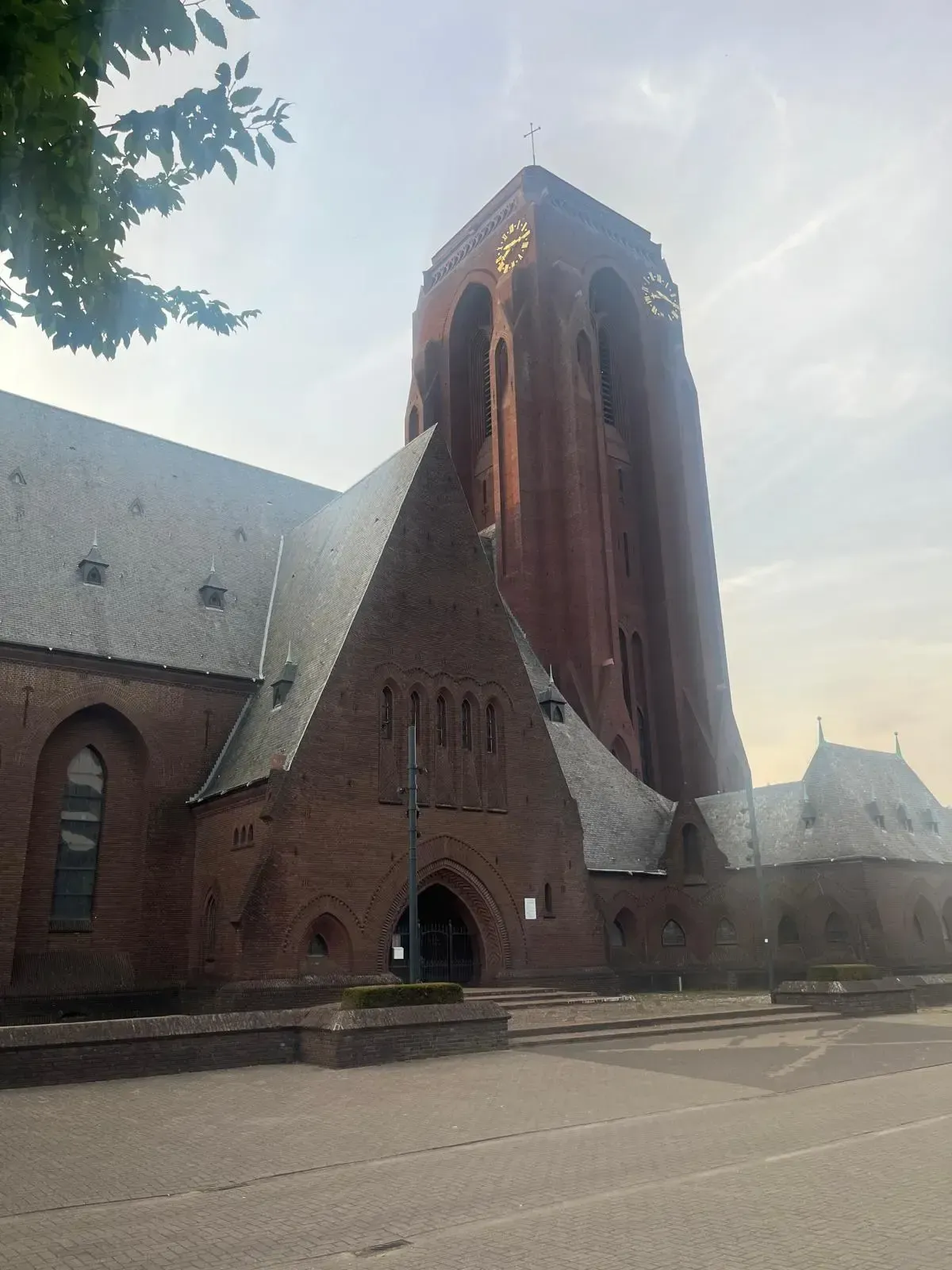
We visit important historical sites, see traces that are still visible in the landscape, and reflect on the drastic closure of the mines in the 1970s. Naturally, attention is also paid to the legacy of this era: the culture, architecture, and pride that are still palpable in South Limburg.
Blogs about South Limburg